2. The East Block, Parliament Hill
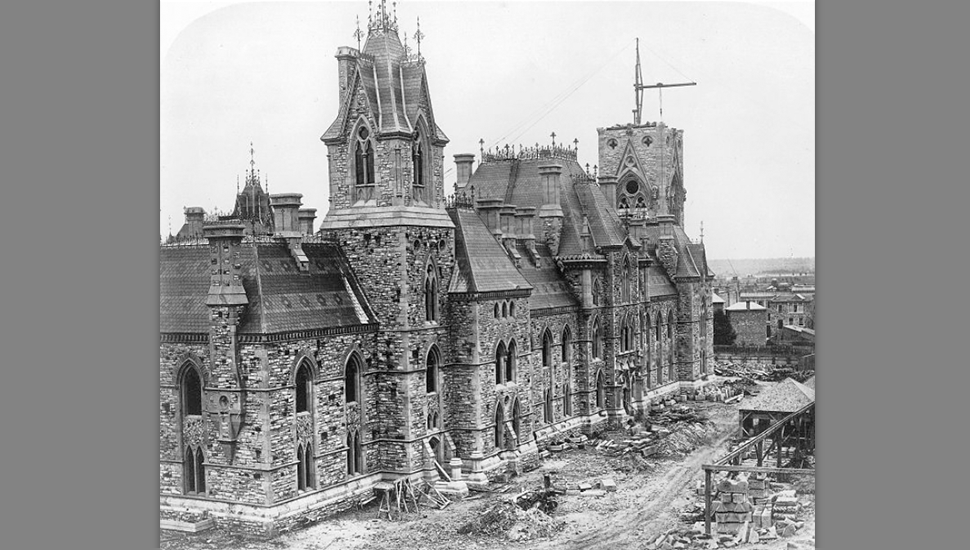
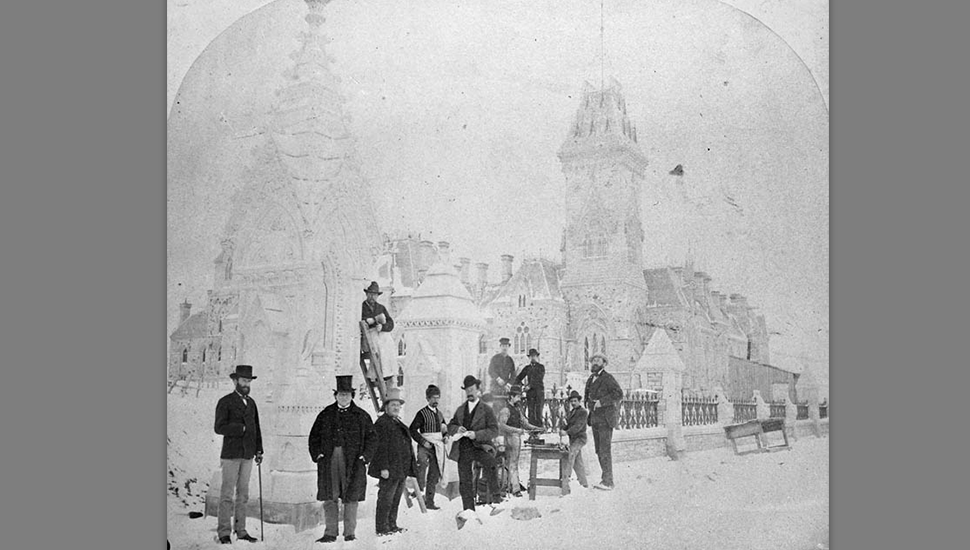
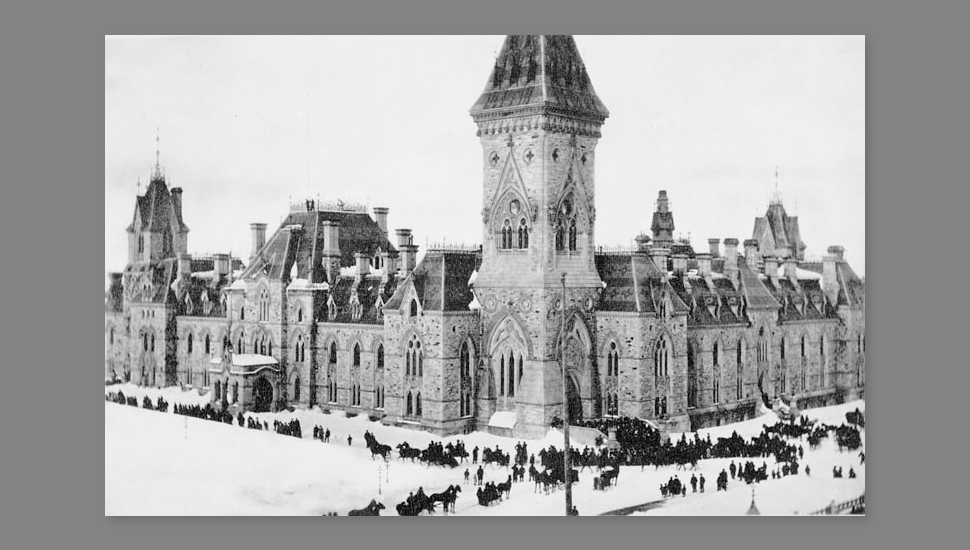
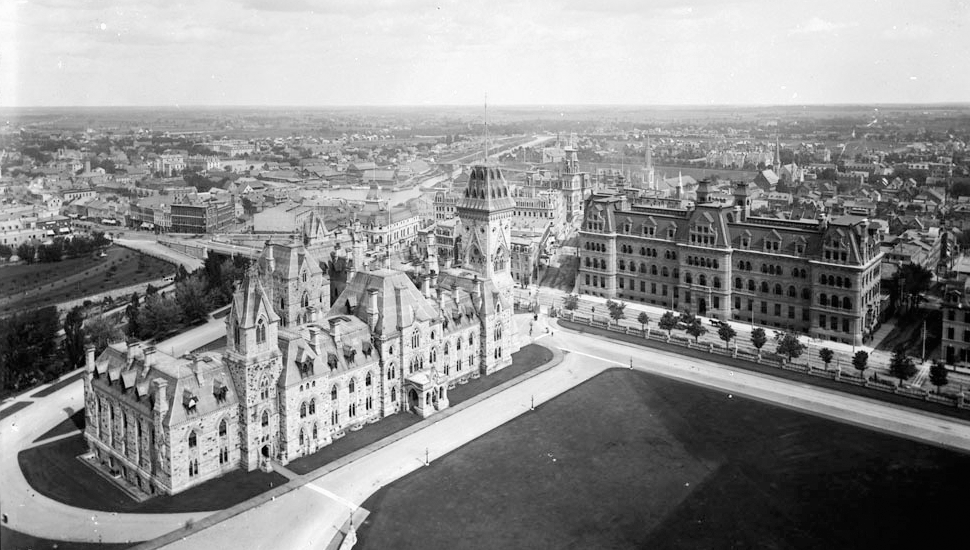
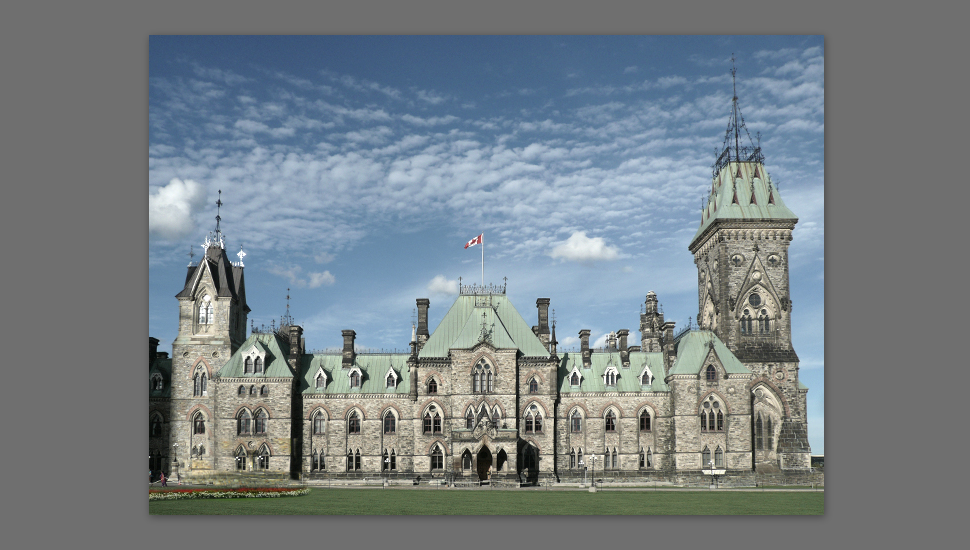
Constructed: 1859 to 1865
Architects: Thomas Stent and Augustus Laver
Location: Parliament Hill, Wellington Street, Ottawa
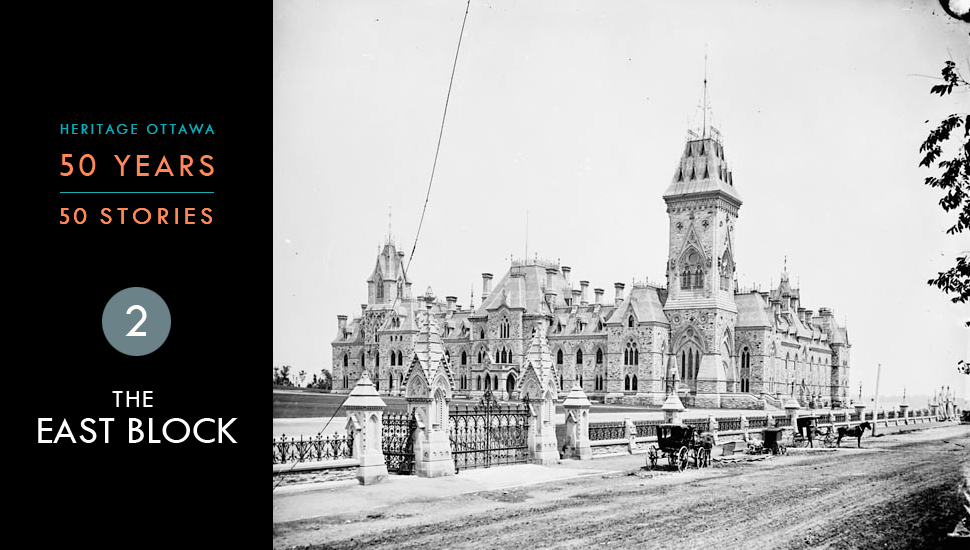
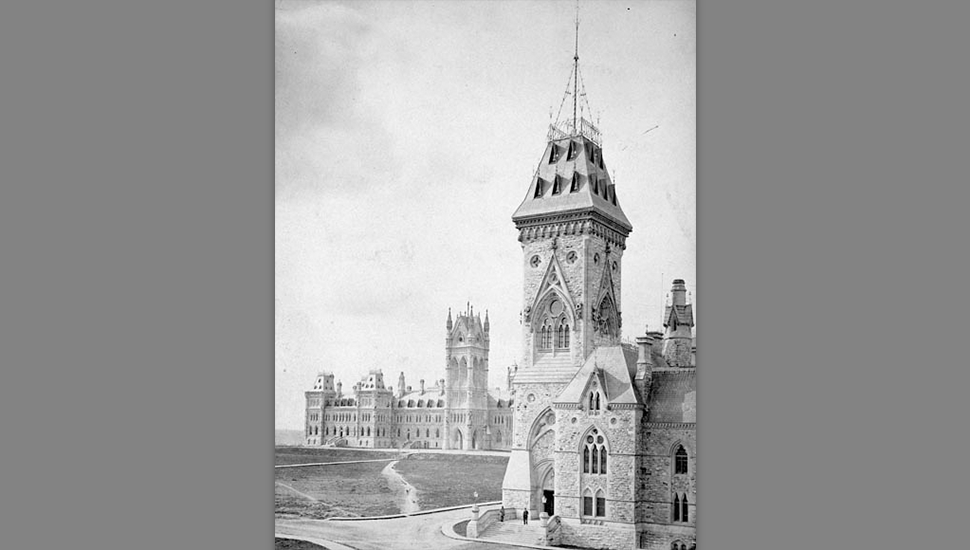
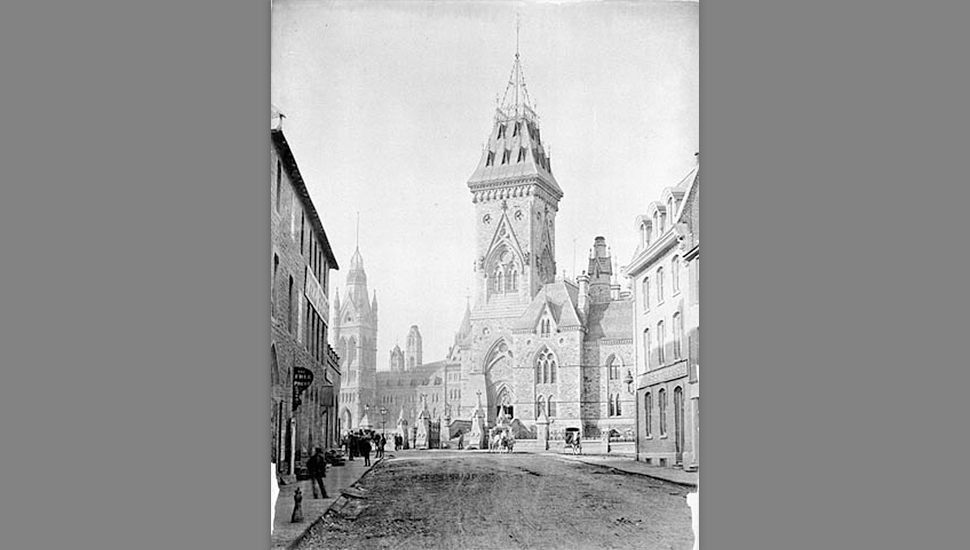
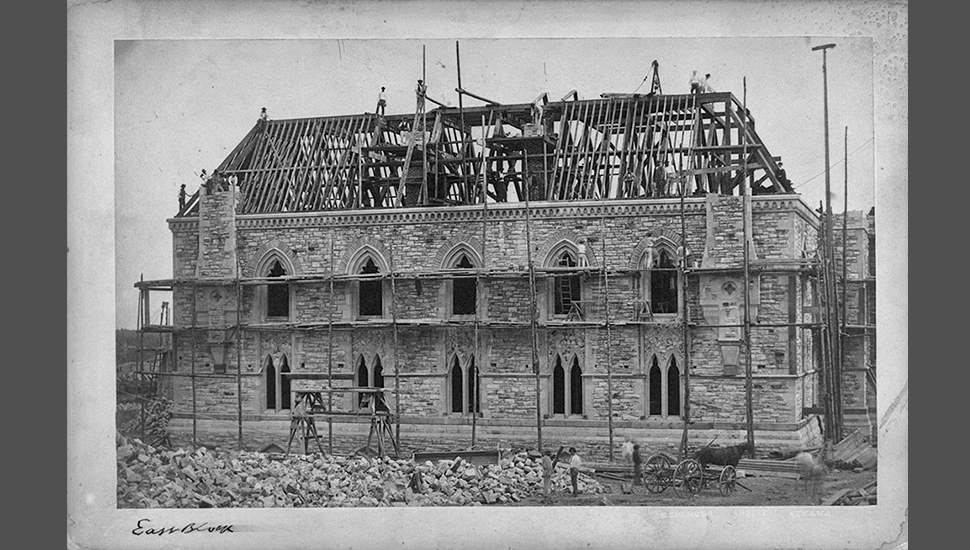
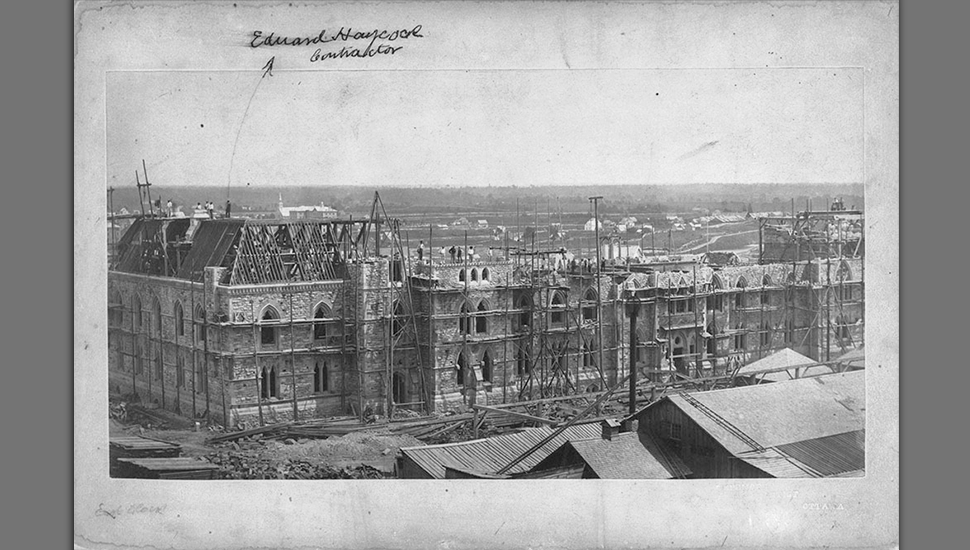
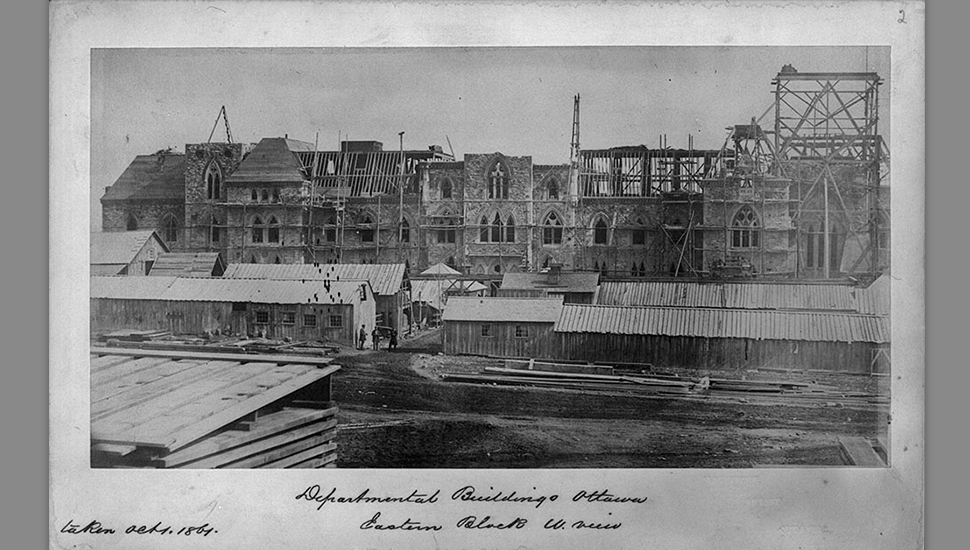
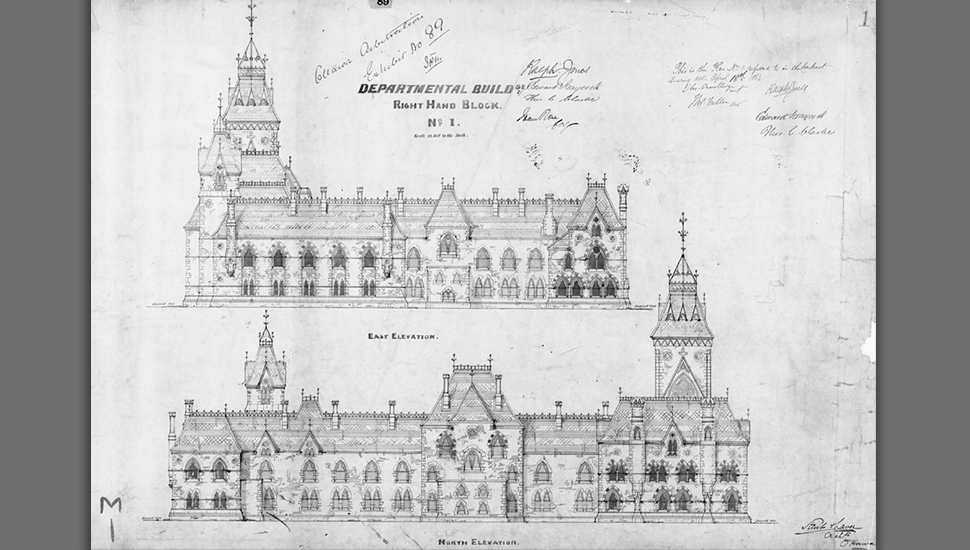
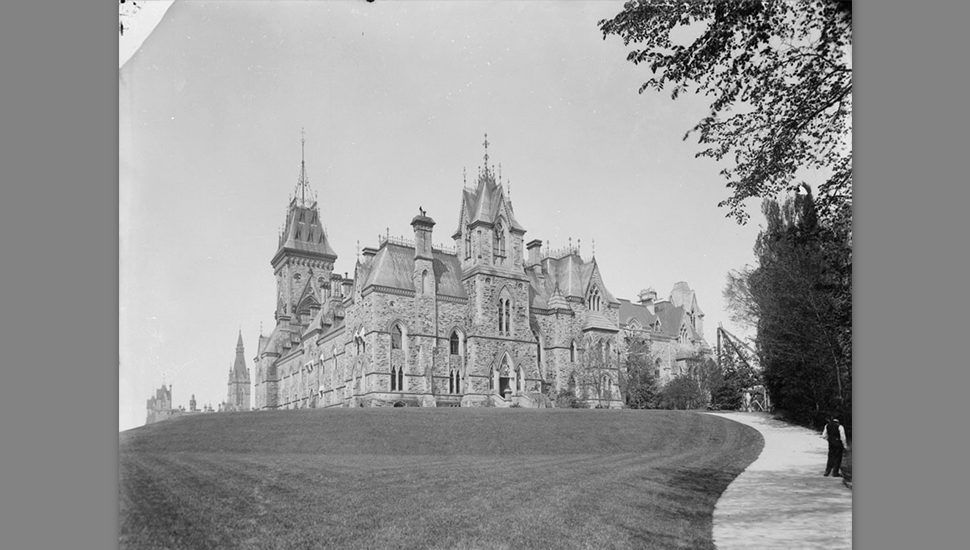
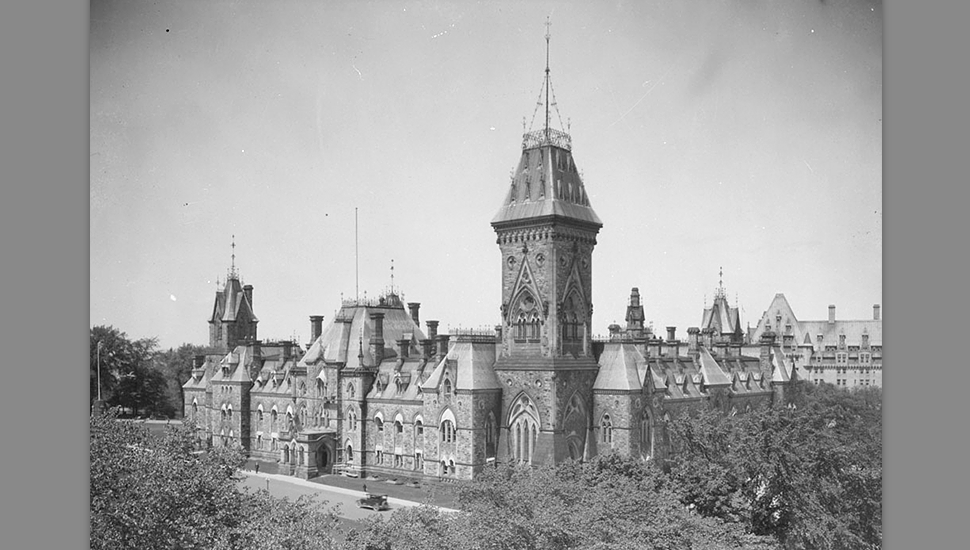
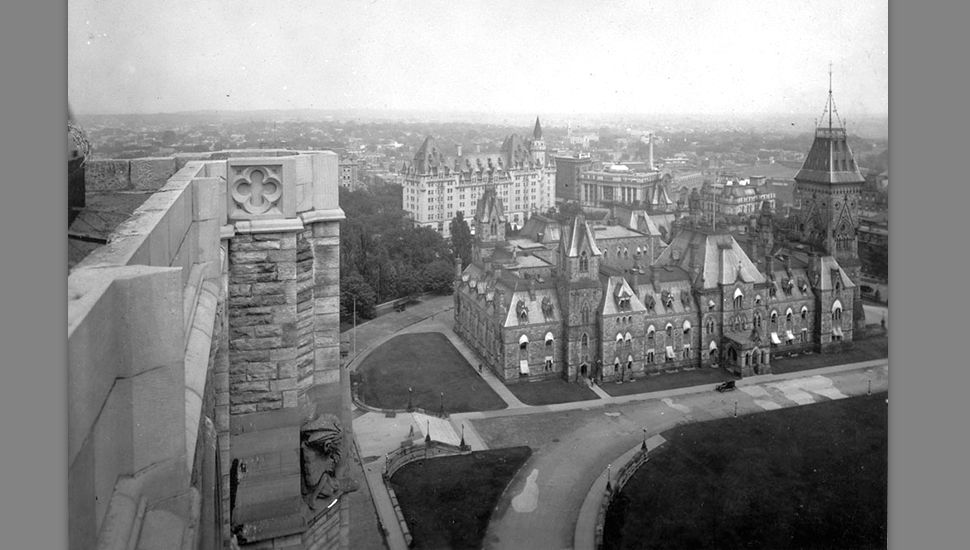
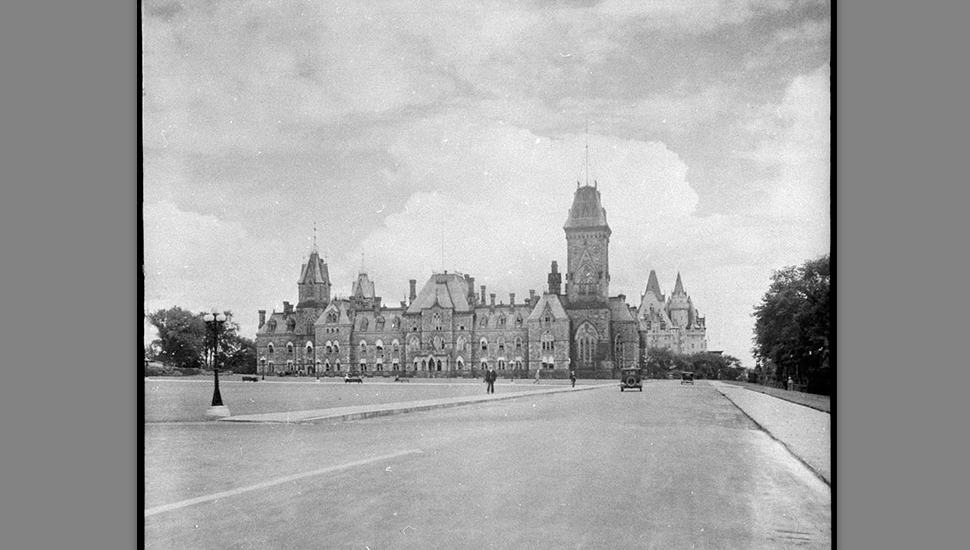
The East Block of Parliament, officially known as The Eastern Departmental Building, is an outstanding example of the High Victorian Gothic Revival style. Designed by British-born architects Thomas Stent and Augustus Laver, both then practicing in Ottawa, the East Block was designed as an integral part of a suite of government buildings for the United Provinces — later Canada — including the Centre Block, West Block, and Library of Parliament.
Positioned within a stunningly beautiful setting overlooking the locks of the Rideau Canal and the Ottawa River, the building is characterized by its asymmetrical massing, towered silhouette, coloured and highly textured stone surfaces, and gothic ornamentation. The iron cresting and pinnacles are essential elements of the building's aesthetic design concept.
The East Block was constructed by Jones, Haycock & Company between 1860 and 1865. An addition was later built between 1910 and 1913.
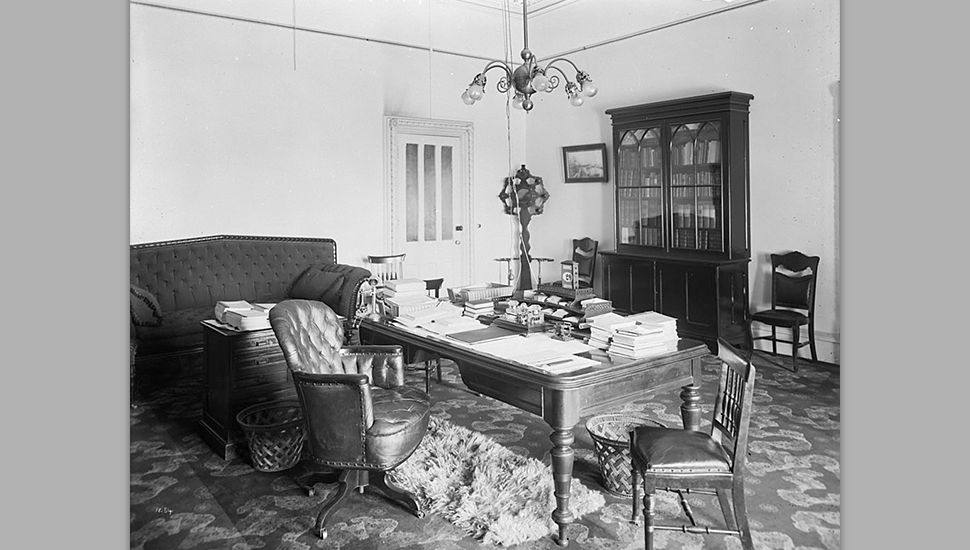
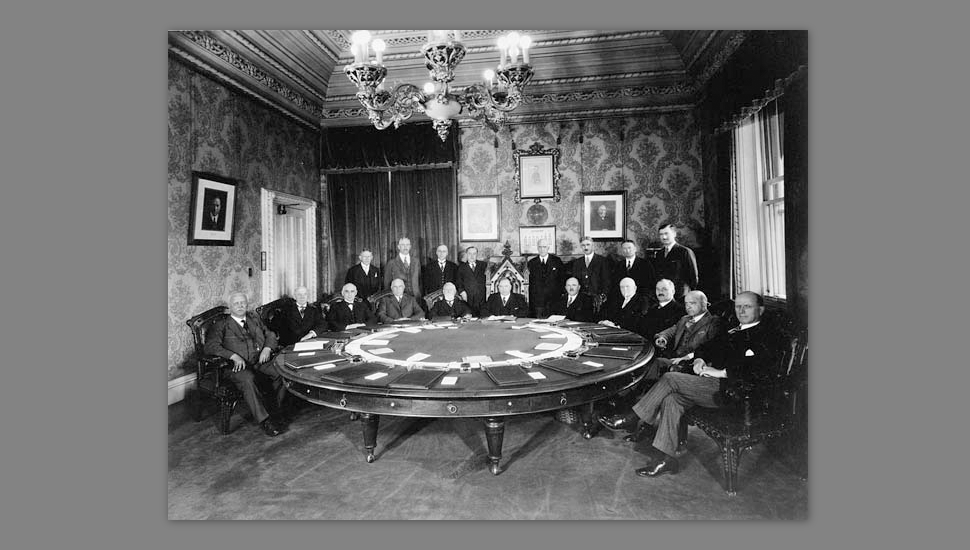
Like the West Block, the East Block was intended to house the civil service of the new Dominion. Over the years it was occupied by prime ministers, the Privy Council, and various government departments.
On March 20, 1964 the East Block's principal tenant, the Department of External Affairs, announced it would be relocating and that the building's original interior would be gutted and renovated in the same manner as the West Block. Others called for its demolition in favour of a modern replacement.
In 1966 Prime Minister Lester Pearson, persuaded of the building's value as a national treasure, authorized limited restoration work. Demolition was successfully averted.
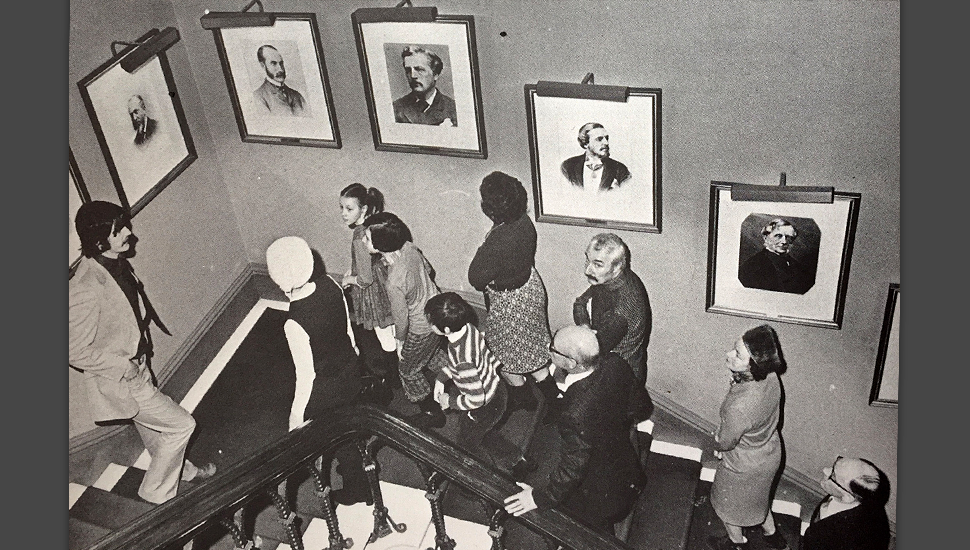
After completion of that work, in August 1967 the East Block opened to the public for tours of the prime minister’s office and Privy Council chamber, organized and administered by the Heritage Committee of A Capital for Canadians ( which later became Heritage Ottawa ).
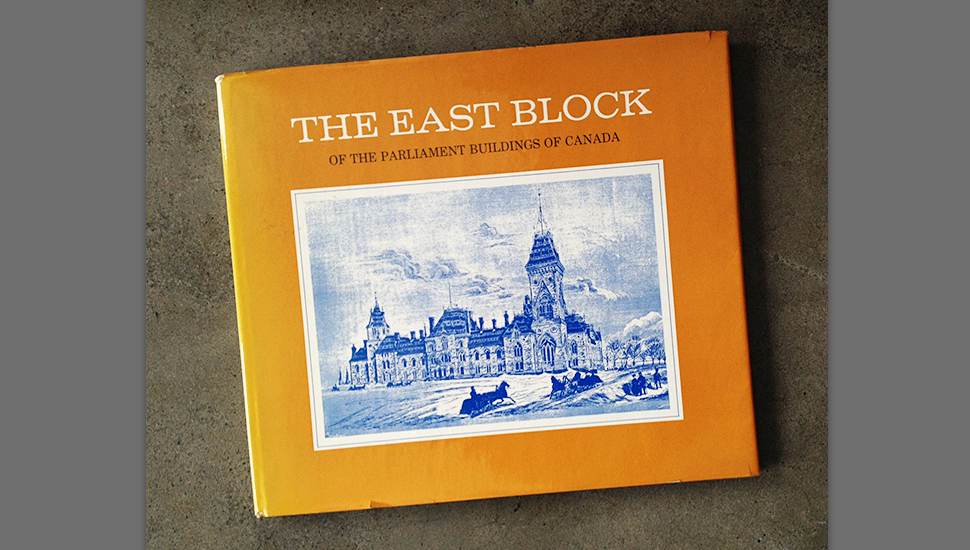
Also in 1967, R.A.J. (Bob) Phillips, chair of A Capital for Canadians, published a comprehensive history of the building entitled The East Block of the Parliament Buildings of Canada.
After more restoration work in the late 1970s, the East Block reopened in 1981 for use by members of parliament, senators and parliamentary staff.
Reminiscing about the struggle to save the building, Bob Phillips wrote in the December 1981 issue of Ottawa Magazine:
“This is generally acknowledged as the most historic building in Canada, the only structure on Parliament Hill which survives more or less intact since before Confederation. With one exception, every Prime Minister from Macdonald to Trudeau had his office there. In its Privy Council Chamber, more than in any other place, decisions shaping Canada’s future were made for over a century.
Incredibly, it was threatened. Even if the government had not heeded the sillier voices which urged its replacement by a glass and metal tower 'expressive of our age' there was a likelihood that it would have been gutted as the West Block had been in the early 1960’s; it would have been stripped of its character and its history to become a very ordinary and expensive office building.”
The future of the East Block was finally secured in 1983 with its designation as a Classified Federal Heritage Building, due in part to Heritage Ottawa's activism.
The public awareness and advocacy campaign to save the building began in 1967 and continued for nearly 14 years. Today, the East Block is considered to be the most intact of all heritage buildings on Parliament Hill, alongside the Library of Parliament.
Fifty years later, Heritage Ottawa considers preservation of the East Block to be one of its most important advocacy efforts.