23. Central Experimental Farm: Part 1
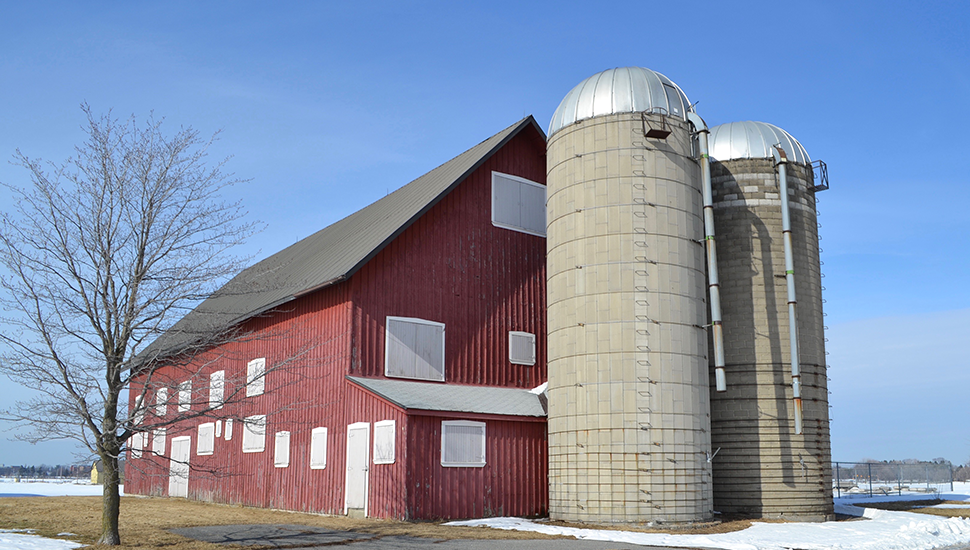
Construction: Established in 1886
Architects: Various
Location: A rectangular parcel of land over 400 hectares in area bounded by Carling Avenue to the north, Baseline Road to the south, Fisher Avenue to the west, and by the Rideau Canal and Prince of Wales Drive to the east.
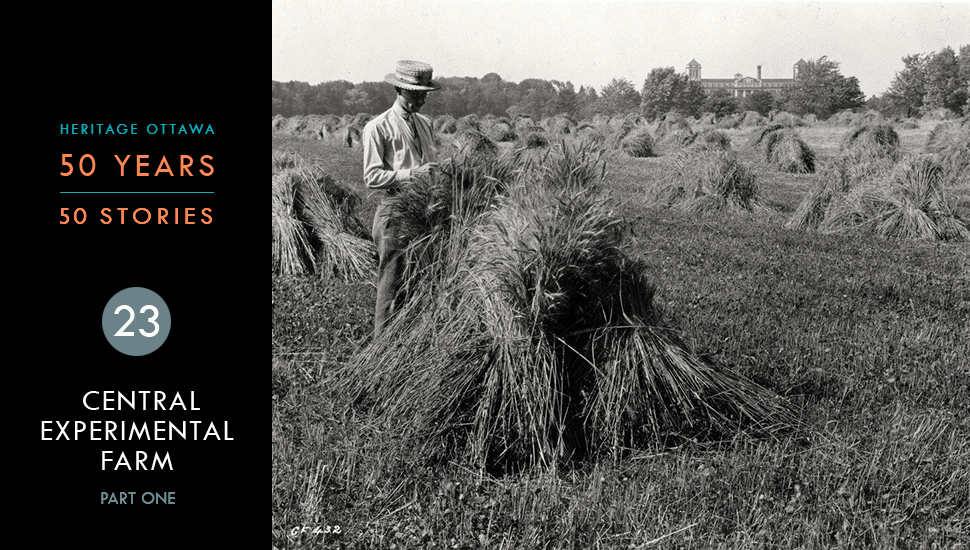
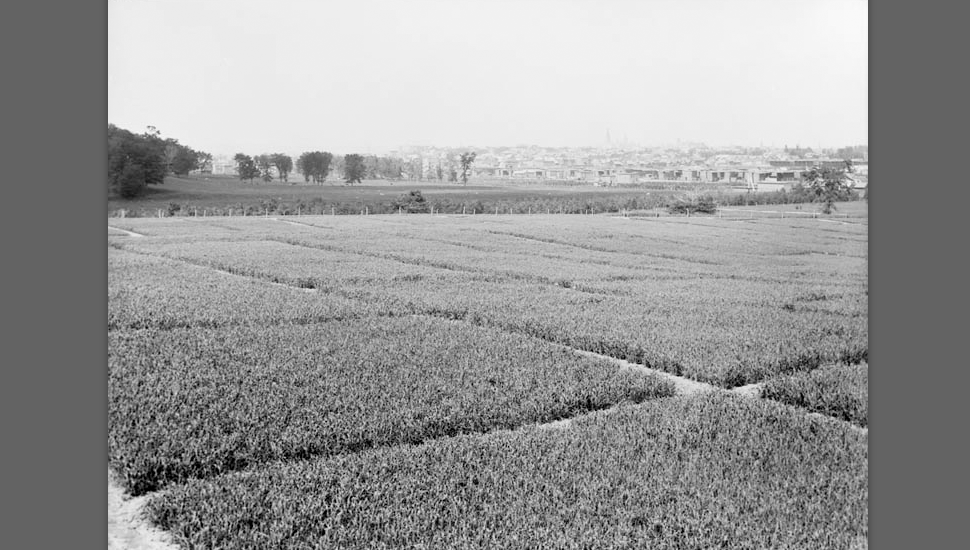
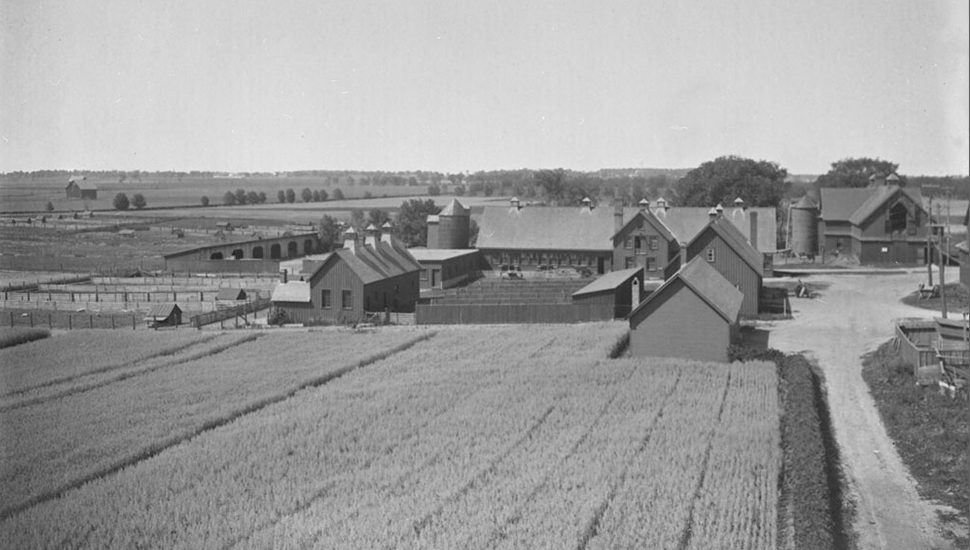
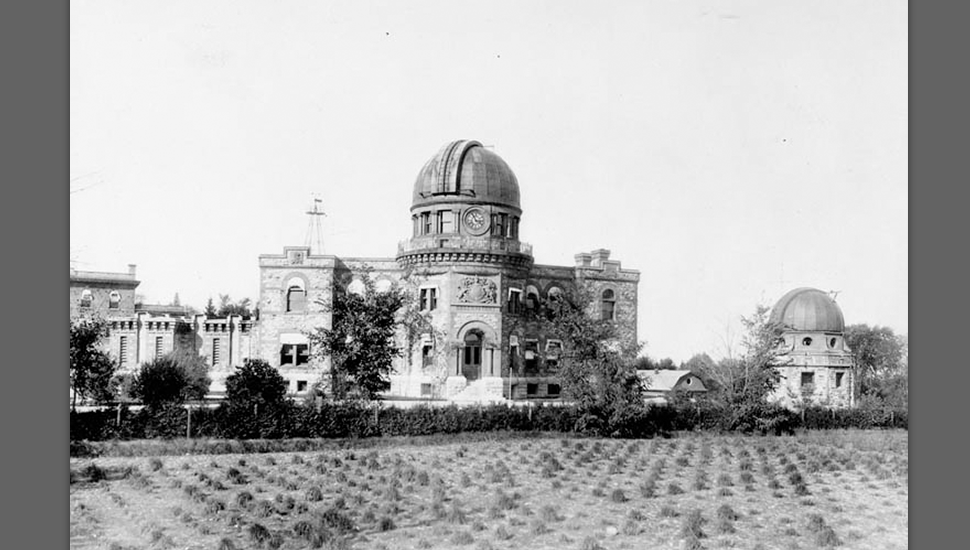
The Central Experimental Farm (CEF) was established in 1886 by the Government of Canada. It includes an administrative core and range of support buildings, arboretum, ornamental gardens, display beds and experimental fields in a picturesque setting.
The Farm was created to advance agriculture through the application of scientific methodology to an understanding of crops, soil, climate, animal husbandry, agricultural practices, and other strategies. The goal was to establish Canada as an agricultural leader, and to secure agriculture as a keystone to the young nation’s economy. While several agricultural research centres were established elsewhere in Canada, it was the CEF in Ottawa that remained the key institution where research was, and remains, its core mandate.
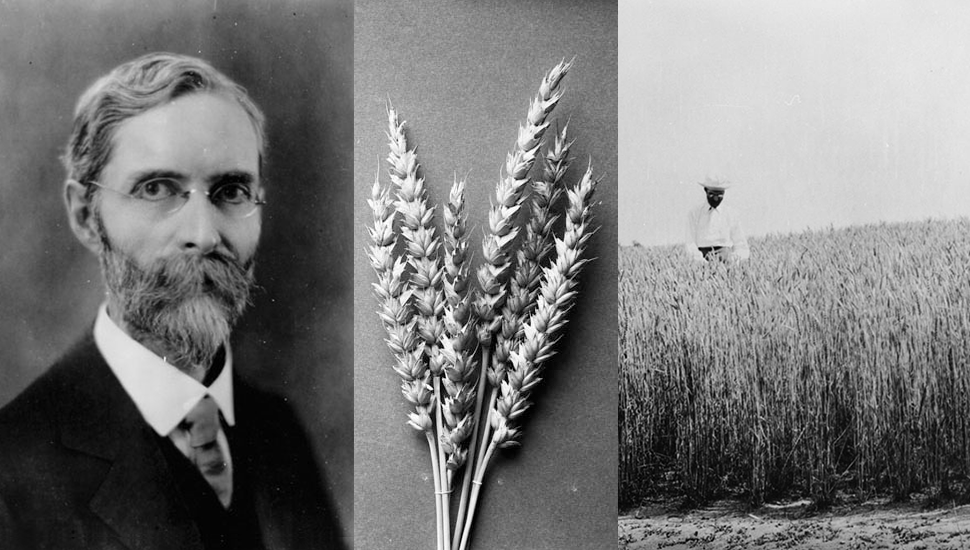
Landmark research resulted in new practices in animal husbandry, soil fertility and such ground-breaking developments as Charles Saunders’ renowned frost and drought-resistant Marquis wheat, and early-maturing soybean varieties. Today, Canada’s soy industry is worth $2 billion to the national economy alone. And the CEF is the only place in Canada studying the long-term effects of climate change on agriculture, which is vital to food security.
To mark the Farm’s 100th anniversary in 1986, the Historic Sites and Monuments Board of Canada (HSMB) unveiled a plaque commemorating the CEF’s role as the nation’s agricultural research headquarters. Two years later, the “Friends of the Farm” was created, raising awareness, funding and volunteer support for the Farm.
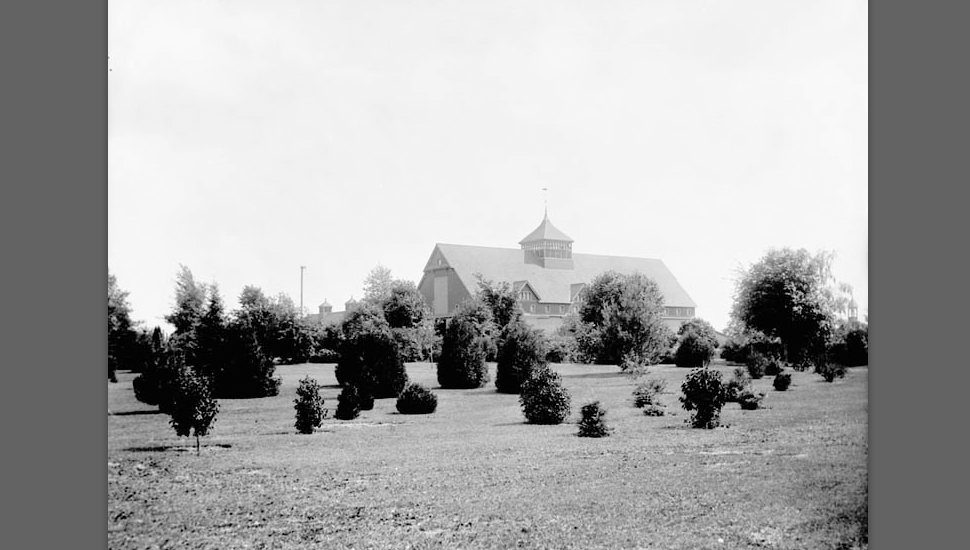
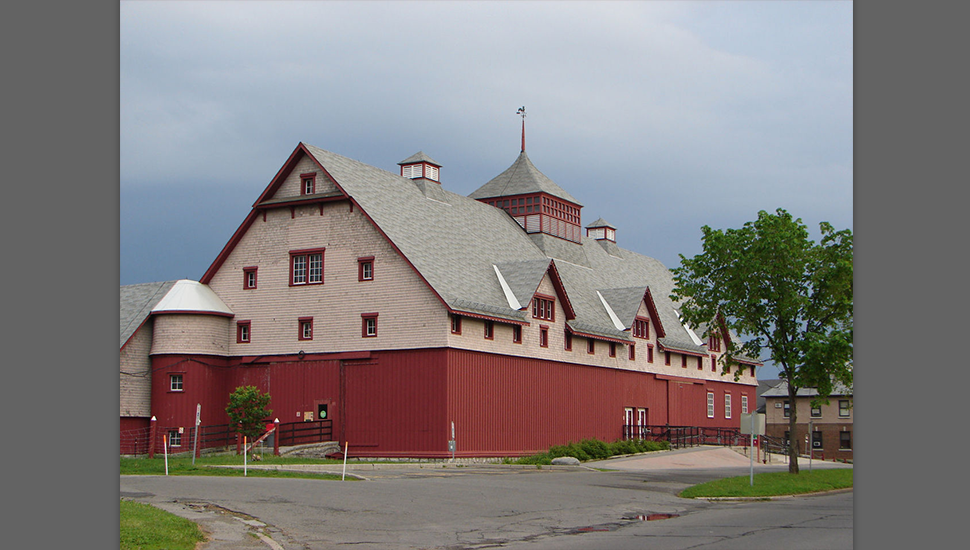
Heritage Ottawa’s battle to save the Farm began in 1995 when the National Capital Commission on behalf of Agriculture and Agri-Foods Canada (AAFC) authorized the demolition of the Booth Barn (built by lumber baron J.R. Booth in 1867).
Jennifer Rosebrugh, then President of Heritage Ottawa, established a coalition with Historic Ottawa Development Inc. (HODI), Friends of the Farm, the Heritage Canada Foundation, the Historical Society of Ottawa, the Council of Heritage Organizations in Ottawa (CHOO/COPO), local politicians and others. The controversy over the Booth Barn revealed that in fact many of the Farm’s 82 buildings were slated for demolition.
In 1996, the City of Ottawa declared its intention to designate the Booth Barn (Building No. 114-118) under the Ontario Heritage Act. AAFC filed an objection and in October a Conservation Review Board (CRB) hearing was held. Witnesses included Heritage Ottawa, the Heritage Canada Foundation and other community groups. In its concluding remarks recommending designation the CRB stated: “The Board also finds it difficult to reconcile the audacity of such obfuscation on the part of the federal Government in not cooperating with the parties in this process, many of whom have spent untold energy and expense in order to ultimately benefit the Agricultural Ministry itself in enhancing the Central Experimental Farm location.” Moreover, the CRB stated that the three levels of government, municipal, provincial and federal “are the equal custodians of the National Capital Heritage.”
The successful battle to save the Booth Barn drew attention to the importance of the CEF in its entirety as a cultural landscape of national historic significance. The Mayor of Ottawa wrote to the HSMB asking the Board to consider the CEF for national designation.
In 1998, AAFC had a change of heart. It accepted the HSMB’s recommendation to designate the Farm as “a cultural landscape of national historic and architectural significance,” and committed to a management plan aimed to protect the Farm. Despite this plan and the CEF Advisory Council, created to engage the public in the future of the site and assist AAFC in its stewardship role, only ten years later the Farm was once again under threat.
The story continues in our next entry, Saving the Central Experimental Farm, Part 2.